
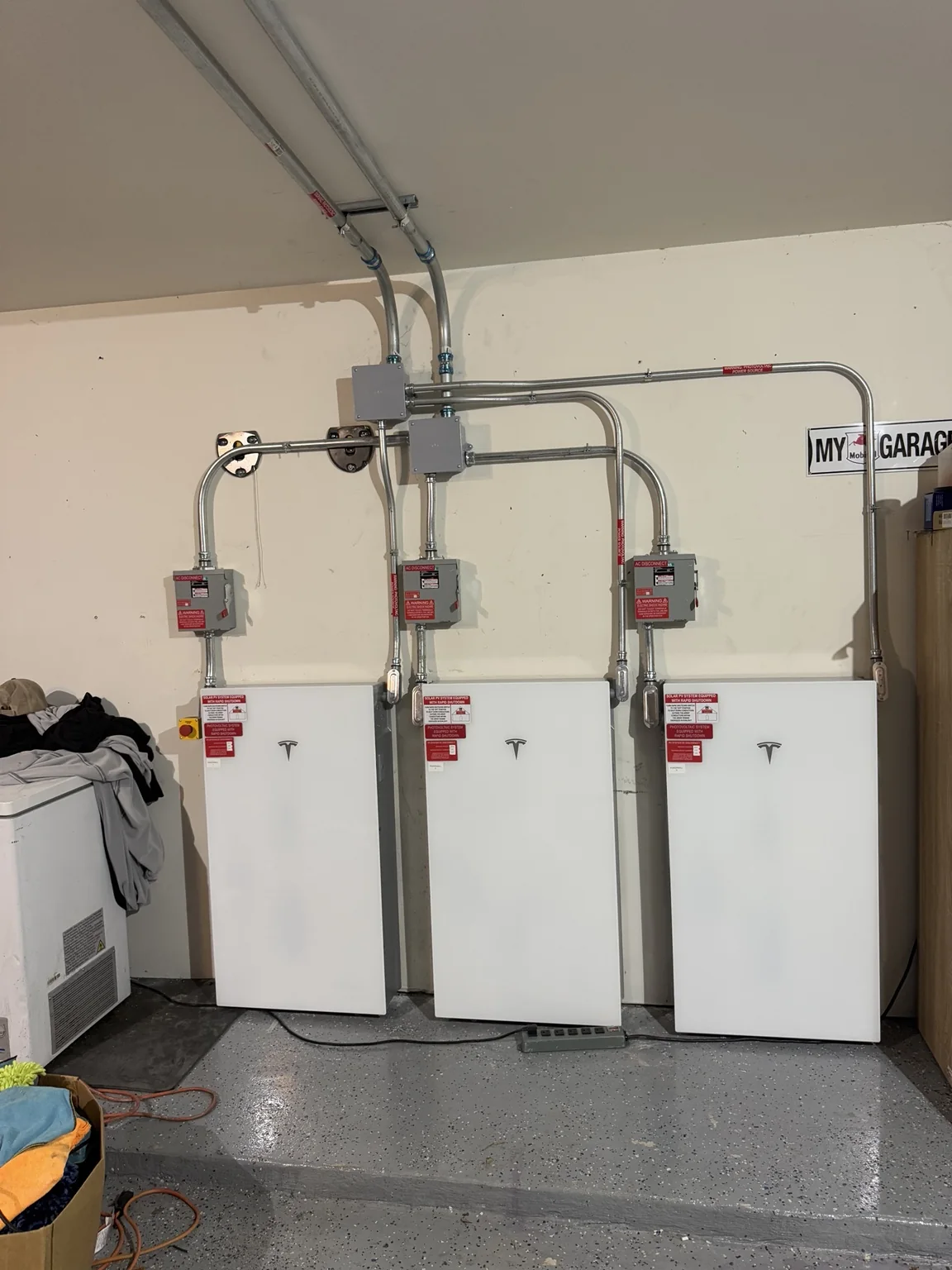
First: define the project and equipment
Start with the property location, existing solar, backup priorities, and known equipment details. Tell the installer about a generator, planned electrical work, or a roof project that could affect the design.
The initial conversation should identify what information is missing and whether a site assessment is needed. A requested completion date is useful, but it should not be treated as an accepted installation date at this stage.
Next: settle the design and responsibilities
| Milestone | What should be clear |
|---|---|
| Site review | Location, access, existing equipment, and required work. |
| Written proposal | Equipment, backup scope, price, exclusions, and change process. |
| Project requirements | Who handles applicable permits, inspections, and utility steps. |
| Scheduling | What conditions must be met before the work date is confirmed. |
| Handover | What checks, records, and homeowner guidance are included. |
Prepare for work at the property
Ask what areas need to be accessible, who should be present, and whether any planned electrical interruption needs household preparation. Follow the instructions agreed for your project rather than a generic manufacturer installation-day checklist for a different product.
Keep the project contact informed about changes in access, equipment, or other contractors’ work. An added backup load or changed battery location can affect both scope and scheduling.
Separate physical installation from completion
Ask which checks and any applicable approvals remain after equipment is mounted. The final handover should explain the backed-up loads, monitoring access, operating limits, and any items awaiting follow-up.
Sun Ray confirms project-specific timing after reviewing the request. We do not publish a universal one-day completion promise. Send your preferred date and the reason it matters, and we can discuss the steps needed before an appointment is confirmed.