
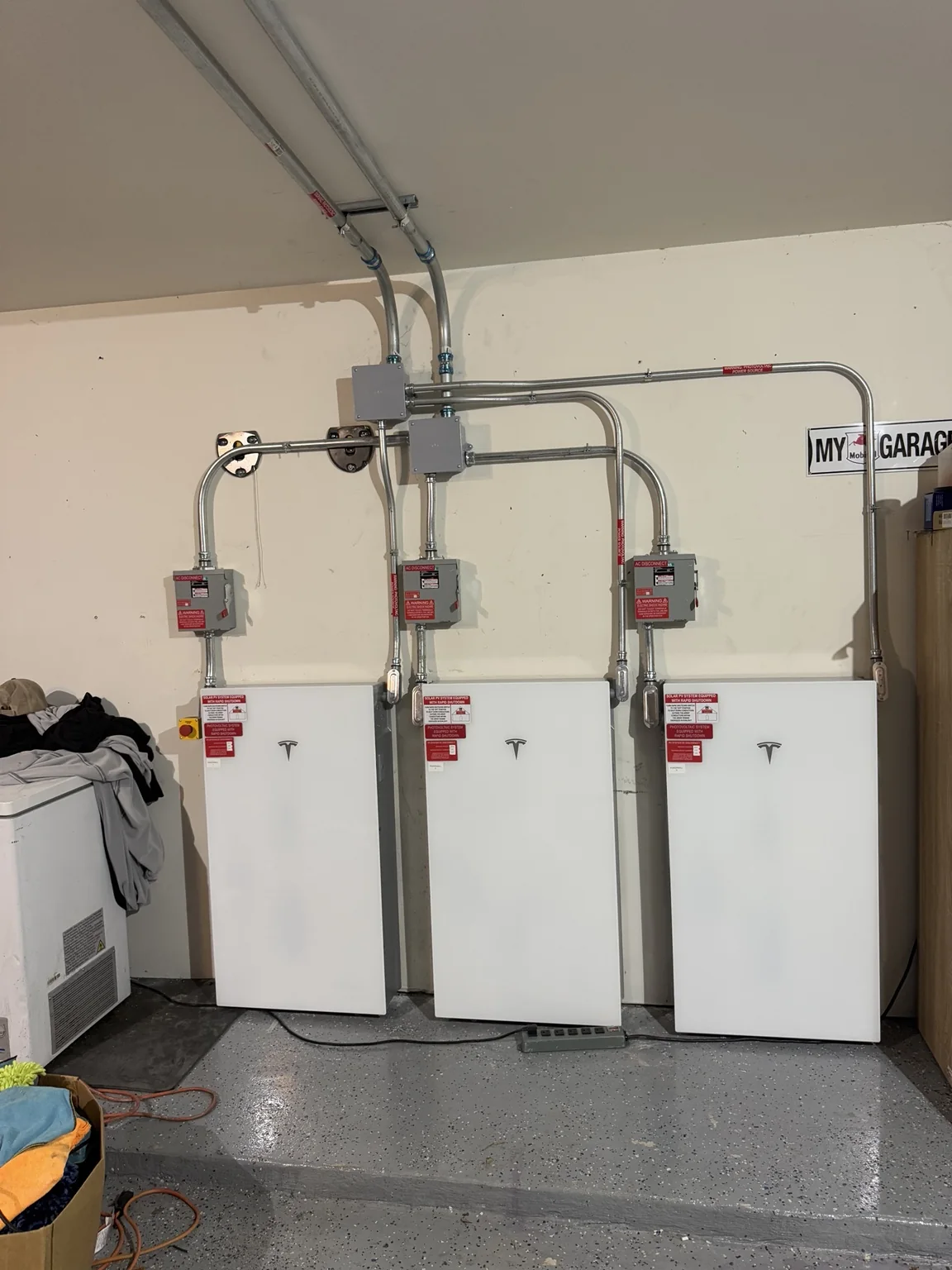
Start with the same backup goal
Two battery proposals can have different prices because they cover different loads, equipment quantities, and electrical work. Decide what you want to keep running before comparing totals. A selected-load proposal and a proposal intended to support more of the home are not equivalent scopes.
Ask each provider to identify the exact equipment and operating assumptions. A promised number of backup hours means little without the loads, starting charge, and other conditions used to estimate it.
Read the installed total line by line
| Cost component | Question to ask |
|---|---|
| Battery hardware | Which model, quantity, and usable storage are proposed? |
| Backup controls | What equipment enables the agreed outage operation? |
| Electrical work | What circuits, panels, wiring routes, or other changes are included? |
| Solar integration | What changes to the existing system are required? |
| Project requirements | Who handles applicable permits, inspections, and utility coordination? |
| Completion and support | What testing, monitoring setup, and workmanship terms are included? |
Keep incentives and optional work separate
Compare the actual contract price before any assumed incentive or bill savings. If another proposal deducts a benefit, ask for the program, eligibility assumptions, and who is responsible for verifying it. This page does not promise a tax credit, rebate, or financing offer.
Separate necessary installation work from options such as additional storage or expanded backup coverage. Ask what would change if you selected fewer loads and what could realistically be added later.
Send the details that make a quote useful
Begin with your address, whether you have solar, equipment models if known, priority loads, and preferred installation area. Include existing generator information and planned electrical or roof work.
Sun Ray serves DFW and surrounding communities with no travel fee. We review the equipment and property before confirming compatibility, price, and timing. You can start without a perfect equipment list; the next step is to identify any missing information needed for the proposal.